
Fall Bird Migration – Exploration and Observation
Visitor Events
Observe our feathered friends as they prepare to head south. Please bring binoculars.
Observe our feathered friends as they prepare to head south. Please bring binoculars.
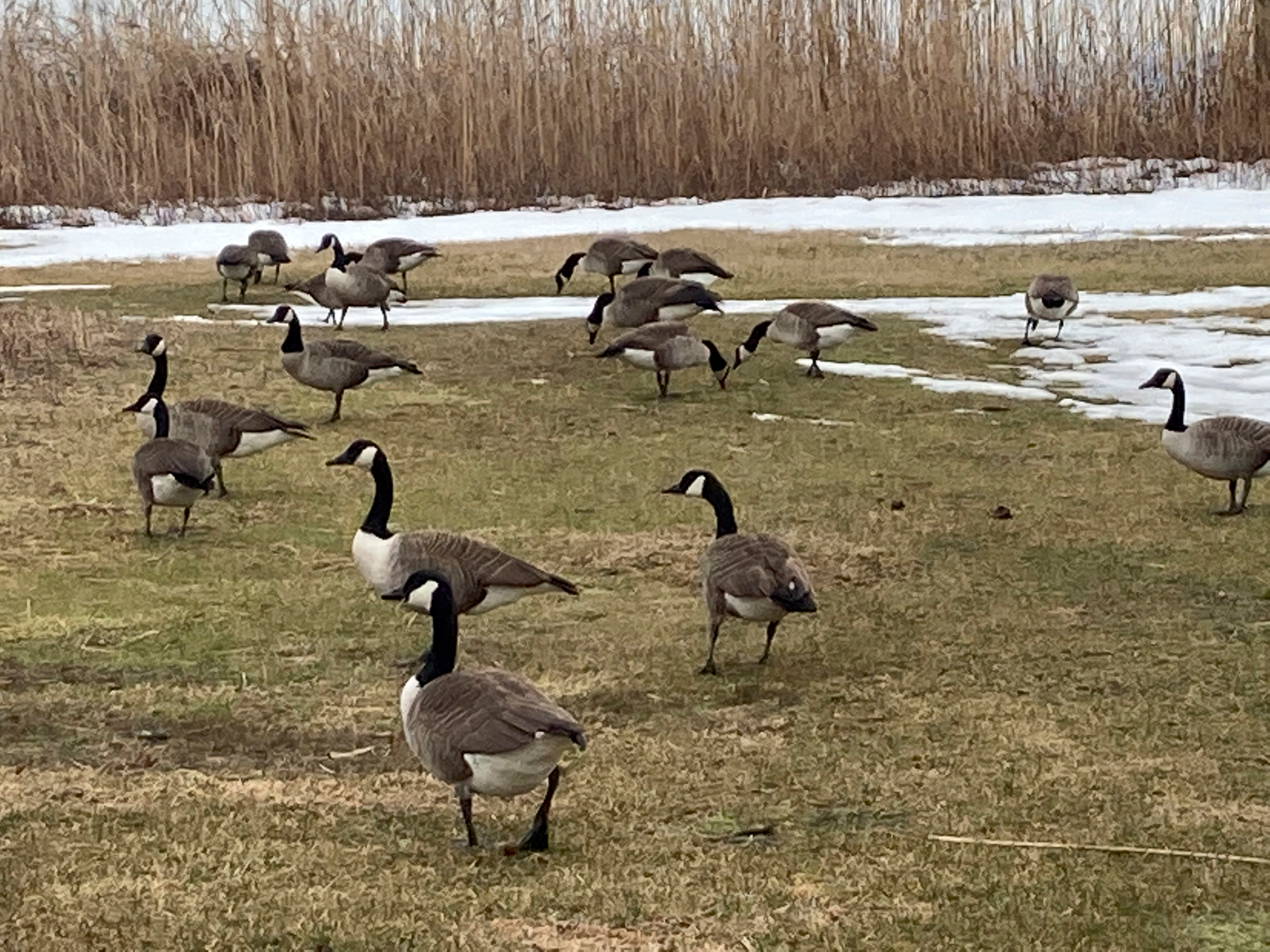
We will discuss the biology, habitat, distribution, behavior and social structures of geese, followed by a hike to the wetland areas to observe them.
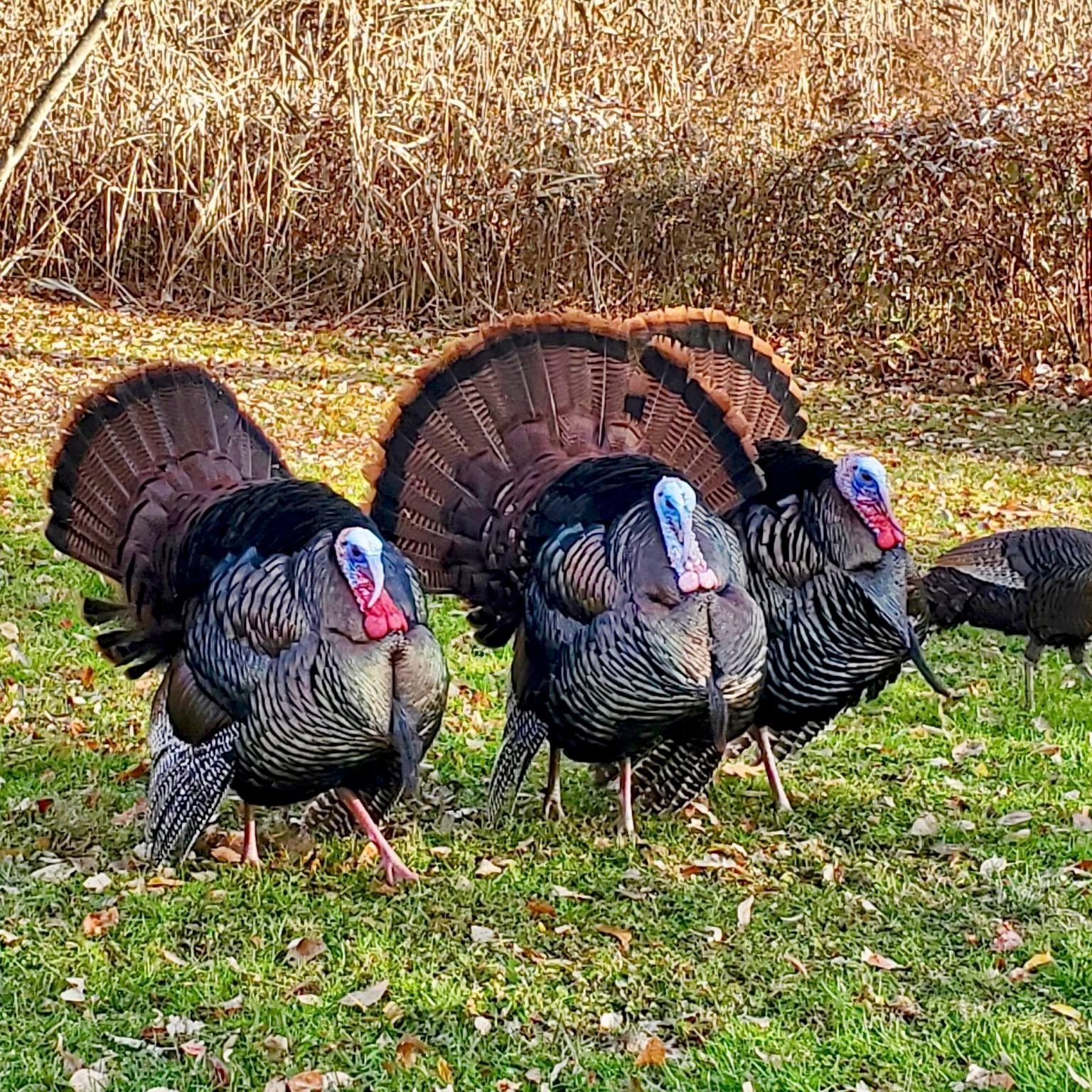
We will discuss the biological adaptations and behaviors of wild turkeys, followed by an observational hike.
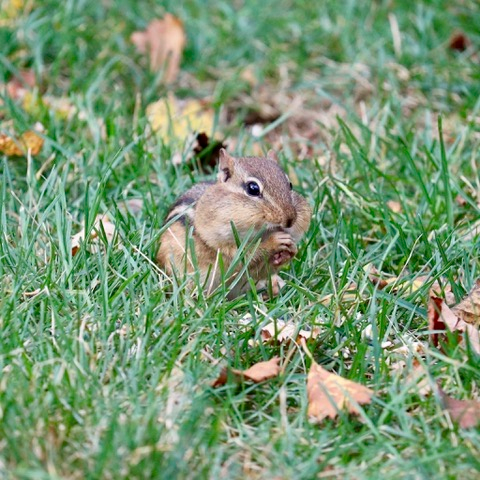
We will discuss ways chipmunks survive in the wild through their biology, behavior and reproductive strategies. We will then observe their behavior in the wild.
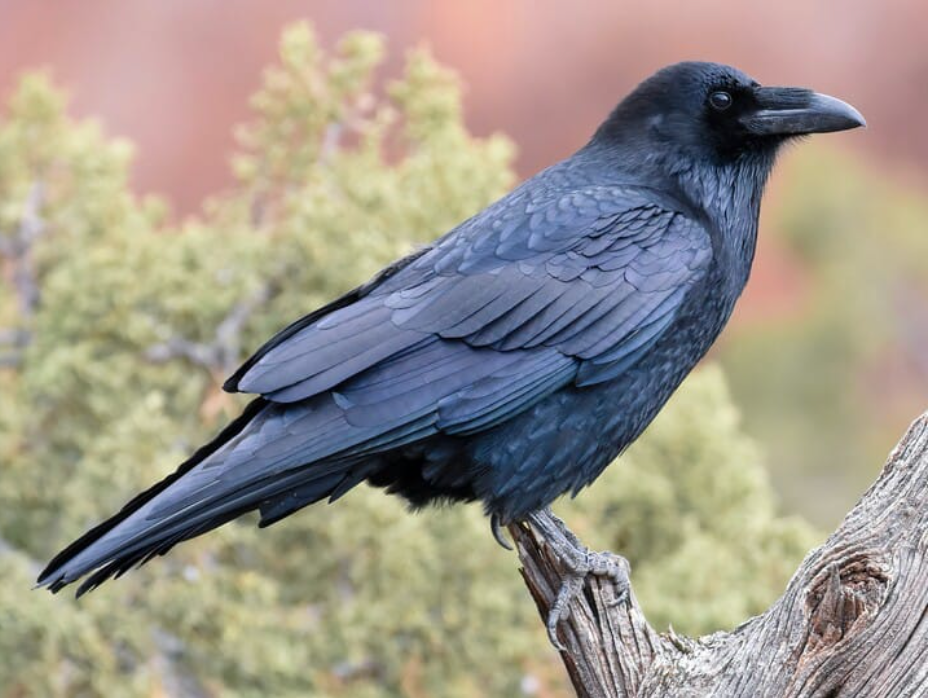
These corvids have superb survival skills. We will learn their behavioral, foraging, habitat adaptations, predator and reproductive strategies.
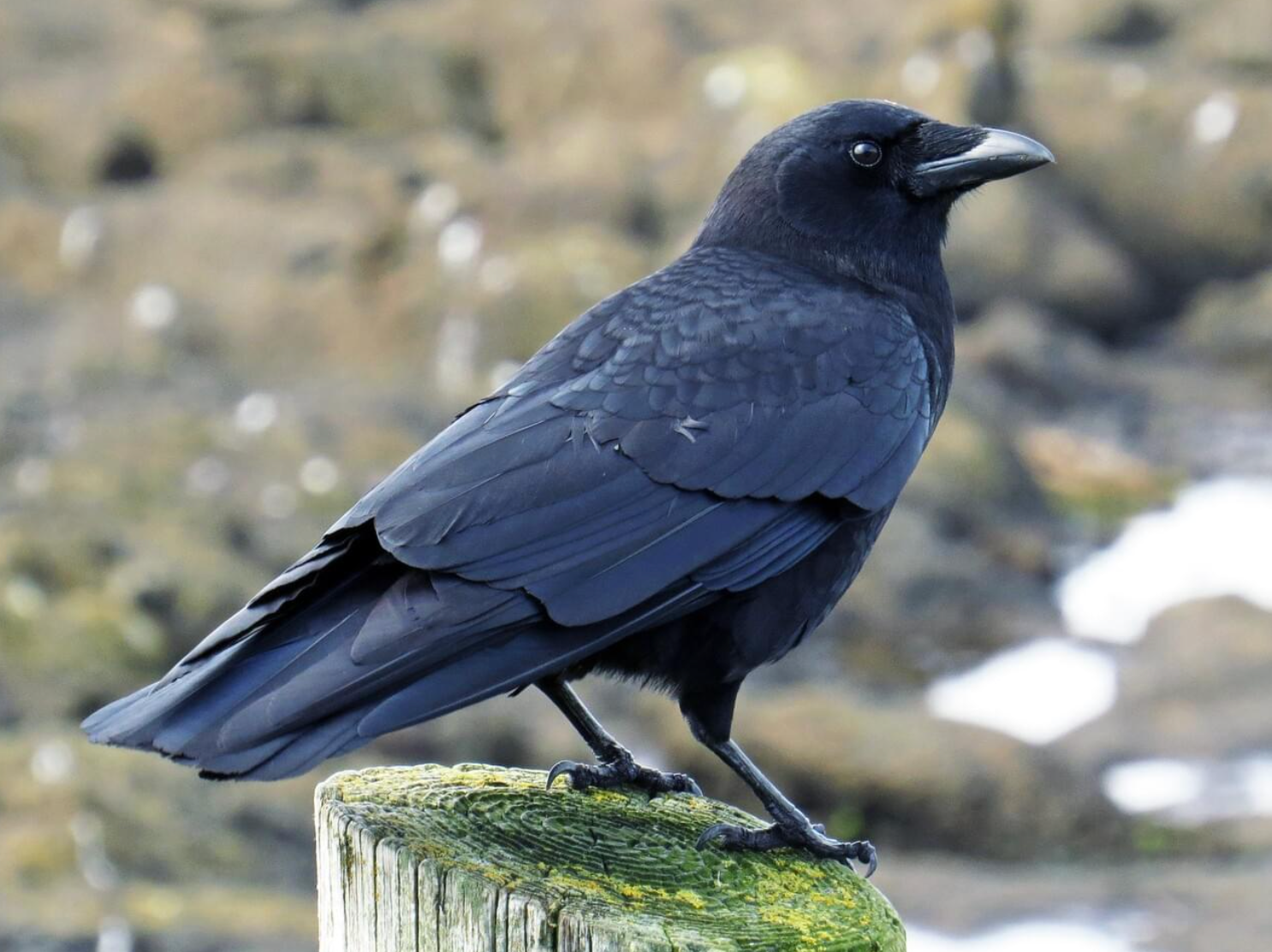
Join the staff to learn about the intelligence, behavior and ecology of these well-known corvids! Please bring binoculars.

They exist at the Sanctuary, by the millions! The Naturalist will show you live ones and they acquire food to use for their colonies.
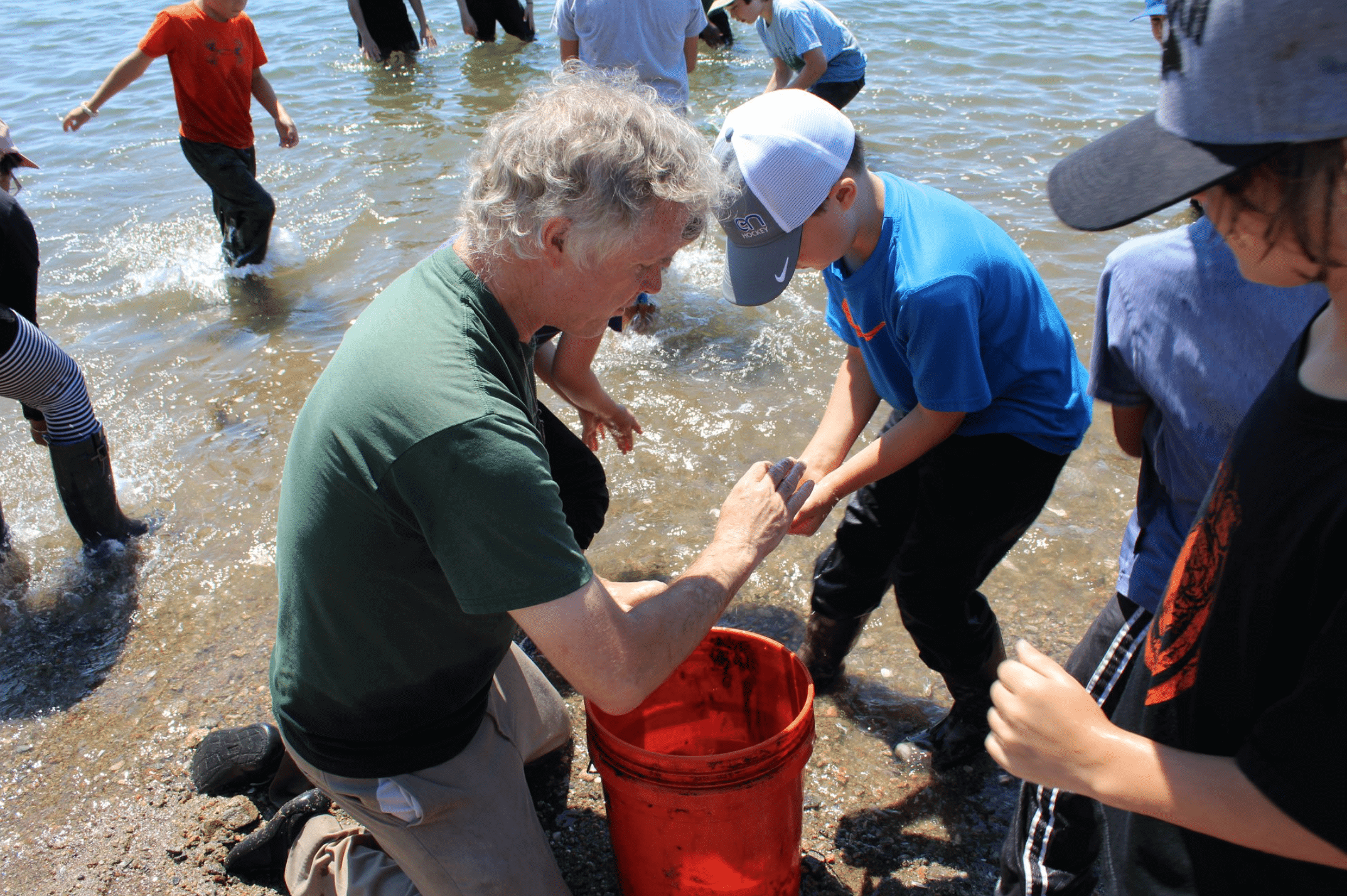
It’s that time of the season, where we will catch, study and release creatures from the Long Island Sound, using a 25 foot seining net. Please dress in clothing to get wet. No swimming gear please.
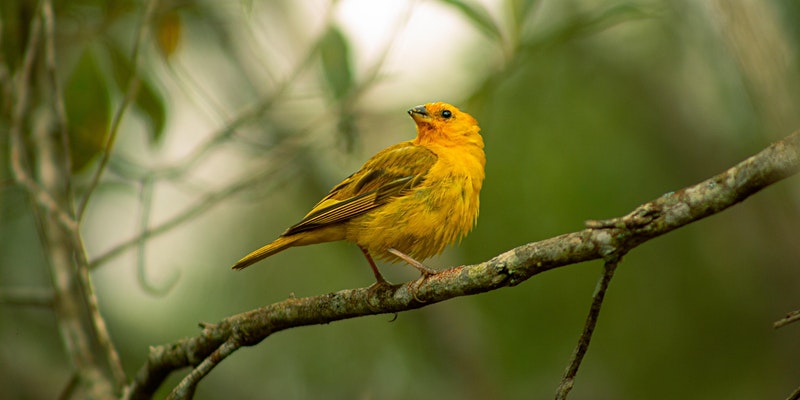
We will observe all types of birds, from late arrivals to summer campers to year–round residents. Please bring binoculars and dress for the weather.

The Naturalist will help you learn about their identification, where to find them and how they hunt for food.

We will observe where and how to find them, and the techniques they use for survival.
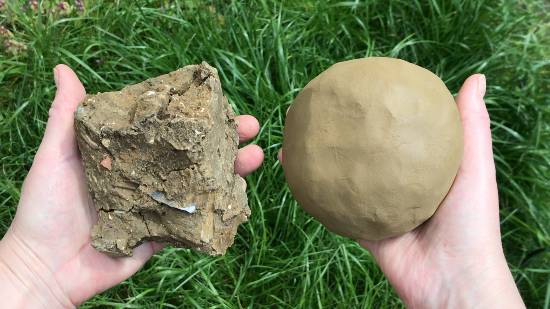
We will learn about how natural clay forms in our Sanctuary. We will also collect clay and create…..Fun for the whole family.